
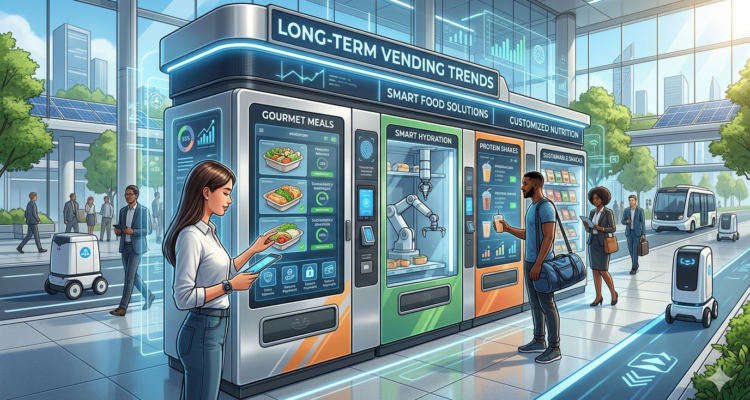
The world of automated retail, often simply called vending, has undergone a quiet revolution over the past few decades. I remember a time when vending machines offered only a limited selection of sugary drinks and snacks, often with questionable freshness. These machines were purely functional devices, serving a very basic need for quick convenience.
Today, these same machines are transforming into sophisticated, data-driven hubs that offer everything from gourmet coffee to fresh salads and even electronics. We are seeing a significant shift in how people interact with automated retail solutions. This evolution is driven by technological advancements, changing consumer preferences, and a growing demand for instant gratification.
Exploring the long term trends in vending reveals a fascinating landscape where innovation meets convenience. We are moving far beyond the simple coin-operated box. These developments are shaping not just how we buy things but also how businesses operate and serve their customers.
The Dawn of Smart Vending Technology
The most impactful change in vending has been the integration of smart technology. Modern vending machines are no longer passive boxes. They are connected devices that offer a richer, more interactive experience for users. This technological leap has opened up new possibilities for product offerings and operational efficiency.
We are seeing machines with touchscreens, advanced sensors, and internet connectivity. These features allow for real-time inventory tracking, remote management, and personalized user interfaces. This shift makes the machines much more responsive to both consumer demand and operational needs, which is a big step forward for the industry.
AI and Predictive Analytics
Artificial intelligence and predictive analytics are playing a crucial role in smart vending. I have observed how these systems analyze sales data to forecast demand for specific products at different locations and times. For example a machine in an office building might stock more healthy lunch options during weekdays. A machine near a gym could focus on protein drinks in the morning.
This intelligent inventory management reduces waste and ensures popular items are always available. It also helps operators make smarter purchasing decisions. We are moving from guesswork to data-driven strategies, which is a major advantage.
Contactless Payments
The rise of contactless payment methods has also fundamentally changed the vending experience. Swiping a credit card or tapping a smartphone to pay is now standard. This convenience speeds up transactions and appeals to a wider range of customers who might not carry cash. It is a seamless experience.
This move away from physical currency also reduces the security risks associated with handling cash. It simplifies accounting for operators. We can see how this trend aligns with broader retail changes, where digital payments are increasingly preferred by consumers for speed and ease of use.
Healthier Choices and Niche Markets
Consumer preferences have definitely shifted towards healthier eating and more specialized products. Vending machines are adapting quickly to meet these demands. The days of only offering candy bars and soda are slowly fading.
Operators recognize the opportunity to tap into new markets by providing options that cater to diverse tastes and dietary requirements. This change reflects a broader societal movement towards wellness and mindful consumption. It shows that vending can be more than just a source of quick junk food.
Organic and Fresh Options
I have noticed a significant increase in vending machines offering fresh and organic foods. These include items like salads, fruit cups, yogurt, and even freshly prepared sandwiches. This trend is especially popular in corporate offices, hospitals, and educational institutions where healthier options are highly valued.
The ability to provide fresh food relies on advanced refrigeration technology and efficient restocking schedules. This ensures that the products remain appealing and safe for consumption. We are seeing a commitment to quality that was rare in vending years ago.
Special Dietary Needs
Beyond general healthy eating, vending is also starting to cater to specific dietary needs. This includes gluten-free snacks, vegan options, nut-free products, and low-sugar beverages. Such specialization makes vending machines more inclusive and accessible for a broader customer base.
This focus on niche markets shows a deep understanding of modern consumer demands. It allows vending operators to serve communities that were previously overlooked. This expansion of offerings demonstrates the industry’s flexibility and potential for growth.
Expanding Beyond Traditional Products
Vending machines are no longer limited to food and drinks. The long term trends in vending show a clear movement towards dispensing a wide array of non-traditional products. This innovation is transforming vending into a versatile retail channel.
I see machines in airports selling electronics like headphones and chargers. There are even vending machines in urban areas that dispense fresh flowers. This expansion highlights the adaptability of vending technology and its ability to meet immediate consumer needs in diverse settings.
Non-Food Vending Solutions
The range of non-food items available through vending machines is truly impressive. We find machines selling anything from personal protective equipment in industrial settings to art supplies in schools. Even luxury items like cosmetics and perfumes are making their way into high-end vending formats.
This diversification creates new revenue streams for operators and provides unparalleled convenience for consumers. It means people can get what they need precisely when they need it, without waiting in line at a traditional store.
Personal Care and Electronics
Consider the convenience of grabbing a toothbrush or a phone charger from a vending machine when you are traveling and forgot an item. This type of immediate access to personal care products and essential electronics is becoming more common. It addresses urgent, on-the-go needs.
These machines are often located in high-traffic areas like airports, train stations, and hotels. They provide a practical solution for common travel dilemmas. We are seeing vending machines evolve into micro-retail locations that offer essential items with speed and efficiency.
Sustainability and Environmental Impact
As consumers become more environmentally conscious, the vending industry is responding with a greater focus on sustainability. I believe this is a critical long term trend that will continue to shape the industry for years to come. It involves both the machines themselves and the products they dispense.
We are seeing efforts to reduce energy consumption, minimize waste, and promote eco-friendly packaging. These initiatives are important for the planet. They also appeal to a growing segment of consumers who prioritize sustainable practices.
Eco-Friendly Machine Design
Manufacturers are designing vending machines that are more energy-efficient. They use LED lighting, advanced insulation, and intelligent power management systems to reduce their carbon footprint. These newer models consume significantly less energy than older ones. This is good for both the environment and the operator’s electricity bill.
The materials used in machine construction are also becoming more sustainable. We are seeing a push towards recycled content and components that are easier to recycle at the end of a machine’s life. This holistic approach to design is a positive step forward.
Reducing Waste
Efforts to reduce waste involve both packaging and product management. Some machines offer reusable containers or encourage customers to bring their own. We are also seeing a shift towards recyclable and compostable packaging for snacks and beverages. This helps to minimize the environmental impact of single-use items.
Smart inventory systems also play a role in waste reduction. They help to prevent overstocking and reduce spoilage of fresh items. This means fewer products end up in landfills, which benefits everyone involved.
The Role of Data and Customization
Data is the new gold in many industries, and vending is certainly no exception. The insights gathered from smart vending machines are revolutionizing how operators understand and serve their customers. I see a future where every interaction provides valuable information.
This data allows for highly personalized experiences and optimized business strategies. It is helping vending operators move from a generic approach to a more tailored one. This is a game changer for efficiency and customer satisfaction.
Consumer Insights and Inventory Management
Every sale through a smart vending machine generates data. This data includes popular products, peak sales times, and even payment methods used. Analyzing these insights helps operators understand consumer behavior in granular detail. It helps optimize product assortments and pricing.
Real-time inventory data ensures machines are always stocked with items that customers want. It also minimizes situations where a machine is out of a popular product. This efficiency directly impacts customer satisfaction and profitability.
Personalized Offerings
Some advanced vending systems can even recognize individual customers through loyalty programs or app integration. This allows for personalized recommendations and promotions based on past purchasing habits. Imagine a machine suggesting your favorite healthy snack based on your previous choices. This level of customization enhances the customer experience significantly.
This personal touch builds customer loyalty and encourages repeat business. It makes the vending experience feel more like a bespoke retail interaction. This is a far cry from the impersonal transactions of old vending machines.
Vending as a Flexible Business Model
The evolving landscape of vending is making it an increasingly attractive and flexible business model for entrepreneurs. I have observed how technology simplifies operations. This lowers barriers to entry for new business owners. The diverse range of products and locations also offers many opportunities for growth.
Entrepreneurs can choose to focus on specific niches. They can also target high-traffic areas like malls, airports, or universities. The initial investment for a modern vending machine setup can be significant. However, the potential for high returns and scalability makes it a compelling venture. Anyone interested in launching a successful vending machine business should consider these long term trends.
The ability to manage machines remotely is a huge benefit. This means less time spent on site for restocking and maintenance. It gives operators more flexibility to scale their operations and manage multiple locations efficiently. This autonomy is a major draw for many looking to start their own enterprise.
Conclusion: What the Future Holds for Vending
The long term trends in vending clearly point to a future where these machines are more than just simple dispensers. They are becoming intelligent, integrated retail solutions that offer convenience, personalization, and a wide array of products. We have seen a remarkable transformation driven by technology, sustainability concerns, and shifting consumer expectations. This evolution means a more sophisticated and engaging experience for customers. It also presents exciting opportunities for businesses to innovate and grow. I believe that the vending industry will continue to push boundaries, integrating even more advanced features like robotics for product delivery and enhanced interactive displays. These machines will become an even more integral part of our daily lives, adapting to our needs with speed and efficiency. The key for operators will be to stay informed about these changes and embrace new technologies to remain competitive. The journey of vending from basic utility to smart retail is truly fascinating and shows no signs of slowing down.