
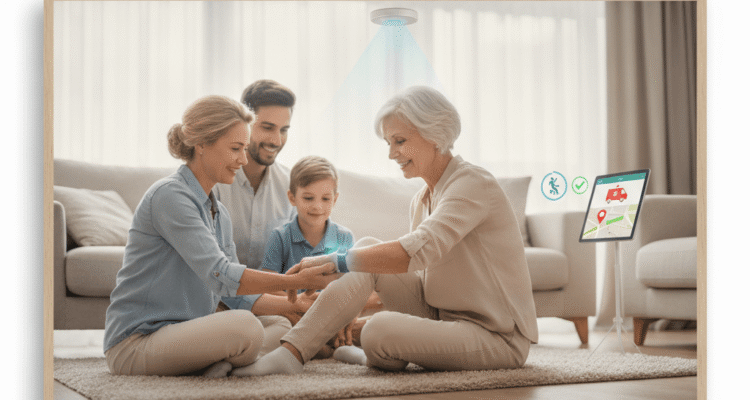
As someone who always looks for ways to improve daily life, I see how smart technology can truly change things. These systems are more than just gadgets. They offer real peace of mind and enhance safety for many people, especially those who want to maintain their independence.
I have spent time understanding how these advanced devices work. They bring together a lot of different features to create a protective network. This network can monitor for emergencies and provide immediate help when it is needed most.
Today, I want to explain how these smart alert systems function. We will focus on one of their most important capabilities, fall detection. This feature alone helps protect many individuals from serious injury.
Understanding Smart Alert Systems for Personal Safety
Smart alert systems represent a significant leap forward in personal safety technology. These systems are designed to provide rapid assistance in various emergency situations. They are especially helpful for seniors or individuals with certain health conditions who might live alone or need extra support.
Unlike traditional medical alert buttons that require manual activation, smart alert systems use a range of sensors and algorithms. This allows them to detect potential emergencies automatically. I find this automatic detection to be a game changer for critical moments.
These systems integrate different technologies to create a comprehensive safety net. This includes wearable devices and environmental sensors. The goal is always to get help quickly when someone needs it.
The core benefit lies in their proactive nature. They can sense a problem and alert caregivers or emergency services without the user having to do anything. This is a huge advantage for situations where a person might be unable to press a button.
Beyond Basic Emergency Calls
While calling for help is their main job, modern smart alert systems offer much more. Many units provide two-way communication directly through the device, so I can speak with a monitoring center operator right away. Some systems even track activity patterns, which can flag unusual changes that might indicate a problem.
I have seen systems that monitor home entry and exit, medication adherence, and even sleep patterns. These extra features give me a broader picture of well-being. They move beyond just reactive emergency response to offering proactive support.
This allows for a more holistic approach to safety. It means family members and caregivers can feel more connected and informed about their loved one’s daily life. This helps them provide better support.
The Critical Role of Fall Detection Technology
Falls are a leading cause of injury among older adults. A simple fall can lead to severe injuries, including fractures or head trauma. Worse, if someone falls and cannot get up or call for help, the outcome can be much more serious. This is where fall detection technology becomes absolutely vital.
I know many families worry about their older relatives falling. They feel especially concerned if they live alone. An automatic fall detection system helps ease that worry by providing an immediate alert when a fall occurs. It bridges the gap between falling and getting help.
These systems typically use accelerometers and gyroscopes. These components work together to sense sudden changes in movement and orientation. They can tell the difference between a person sitting down quickly and an actual fall, which helps prevent false alarms. I have learned that understanding how these systems interpret motion is key to their effectiveness. For anyone interested in a comprehensive breakdown, a reliable fall detection system guide can offer more specific details.
How Automatic Fall Detection Works
When a device detects a movement pattern consistent with a fall, it triggers an alert. Some systems have a brief delay after detecting a fall. This allows the user to cancel the alert if they are okay, perhaps after dropping something or sitting down too hard. If the alert is not canceled, the system automatically contacts emergency services or designated contacts.
The speed of this response is incredibly important. The sooner help arrives after a fall, the better the chances for a full recovery. I often think about how crucial those first few minutes can be.
This immediate notification can reduce the time a person spends on the floor. It also lowers the risk of complications like hypothermia or dehydration. That quick response makes a real difference in people’s lives.
Different Types of Fall Detection Systems
When I explore fall detection, I see there are two main categories of systems available. These are wearable devices and non-wearable solutions. Each type offers distinct benefits and considerations, and the best choice often depends on individual needs and living situations.
Wearable devices are very common. They include pendants, wristbands, and smartwatches. These are popular because they are often easy to use and can be taken almost anywhere. I notice many people prefer them for their portability and direct access to help.
Non-wearable options use sensors placed around the home. These sensors might be radar-based or use ambient technology. They work passively in the background without needing the user to wear anything. This is a great choice for those who might forget to wear a device.
Wearable Fall Detection Devices
Wearable devices are designed to be worn on the body. Pendants are often worn around the neck, and they are usually water-resistant. This means they can be worn in the shower, which is a common place for falls. Smartwatches with fall detection are also gaining popularity. They offer additional features like heart rate monitoring or activity tracking.
The main advantage of wearables is their direct connection to the individual. They are always with the person, as long as they remember to wear them. This constant connection means help is always within reach.
However, the challenge with wearables is ensuring consistent use. I have heard stories where people forget to put their pendant back on after charging it. This creates a gap in coverage, so it is something to consider.
Non-Wearable Fall Detection Solutions
Non-wearable systems include radar sensors, motion detectors, and even pressure mats. Radar-based systems can detect a fall without requiring direct line of sight, even in darkness. This makes them ideal for bedrooms or bathrooms where privacy is important.
These systems offer continuous monitoring in specific areas. They work automatically, so there is no need to remember to wear or charge a device. I appreciate that they are unobtrusive and integrate seamlessly into the living environment.
One consideration for non-wearable systems is coverage. They typically monitor a specific room or area. This means a person would need multiple sensors for full home coverage. They also do not provide protection outside the home, which is where a mobile wearable device excels.
Key Features to Look for in a Smart Alert System
When I advise people on choosing a smart alert system, I always highlight certain features that truly matter. It is not just about having a system. It is about having the right system for specific needs. Paying attention to these details can make a big difference in effectiveness and user satisfaction.
The accuracy of fall detection is at the top of my list. Nobody wants a system that constantly sends false alarms. That can cause unnecessary stress for both the user and their contacts. But I also do not want a system that misses real falls. Finding a balance here is important.
Another crucial feature is two-way communication. This allows the user to speak directly with the monitoring center or emergency contacts through the device itself. This is comforting and ensures clear communication during a stressful event. It confirms that help is indeed on the way.
Important System Capabilities
For individuals who are active and spend time outside their home, GPS tracking for mobile units is incredibly valuable. If a fall happens while someone is out walking, GPS can pinpoint their exact location. This helps emergency responders find them quickly, which is a significant safety boost.
Water resistance is also a feature I always look for. Many falls happen in bathrooms or showers, so a device that can withstand water exposure is essential. It means continuous protection even in high-risk areas.
Finally, consider the ease of use. The system should be simple for the user to understand and operate. This is especially true for older adults. Complex interfaces or difficult buttons can hinder adoption and reduce effectiveness. I always encourage a trial period to ensure comfort.
Setting Up and Integrating Your Smart Alert System
Once you choose a smart alert system, the next step is setting it up. I have found that careful installation and integration are crucial for the system to work effectively. A well-installed system gives the best performance and reliable protection.
There are typically two main approaches to installation. You can choose a professional installation or a DIY setup. Both have their advantages, so it depends on your comfort level with technology.
Professional installation often means a technician will come to your home. They set up all the devices and test them thoroughly. This option ensures everything is working correctly and the coverage is optimized. It also usually includes a tutorial on how to use the system.
Connecting to Monitoring and Testing
Connecting the system to a monitoring center is a core part of its function. Most smart alert systems link to a professional monitoring service. Operators are available 24/7 to respond to alerts. They can dispatch emergency services and notify family members.
Some systems also allow for direct connection to a network of family and friends. In this setup, alerts go directly to designated contacts. These contacts can then decide on the appropriate response. I have seen this work well for close-knit families who want to be deeply involved.
After installation, I always recommend thoroughly testing the system. This means deliberately triggering a fall alert. I make sure that the monitoring center receives the signal and responds as expected. It also confirms that family contacts are notified. Regular testing gives confidence in the system’s reliability.
Overcoming Challenges and Maximizing Benefits
Even with the most advanced technology, challenges can arise. I have learned that understanding these potential issues helps me get the most out of a smart alert system. It ensures long-term effectiveness and user satisfaction.
One common concern is false alarms. These happen when the system incorrectly detects a fall. Perhaps a user drops the device or makes a sudden movement. Modern systems often include a grace period to cancel an alert, which helps reduce false positives. I always advise users to familiarize themselves with this feature.
Another challenge is user adoption and comfort. Some individuals might resist wearing a device or having sensors in their home. It is important to discuss the benefits openly and address any concerns. Focusing on the independence and safety the system provides can help here.
Ensuring Long-Term Performance
To maximize benefits, regular maintenance and updates are important. This includes checking battery levels on wearable devices. It also means ensuring all sensors are clean and unobstructed. Software updates often improve performance and add new features. I make sure to keep systems current.
I also recommend reviewing the list of emergency contacts periodically. Life changes, and contact information can become outdated. Keeping this list current ensures that the right people are notified quickly when an alert is triggered.
Finally, encourage the user to practice using the system. Knowing how to manually trigger an alert or cancel a false alarm empowers them. This familiarity builds confidence and ensures they can rely on the system when it truly counts.
The Future of Personal Safety with Smart Alert Systems
I believe smart alert systems with fall detection are changing personal safety for the better. They offer an invaluable layer of protection, particularly for older adults and those with health challenges. The ability to automatically detect a fall and summon help quickly provides a profound sense of security. This technology helps people live more independently and confidently in their own homes.
These systems are more than just emergency tools. They are a part of a larger trend towards connected care and proactive health monitoring. I have seen firsthand how they can alleviate worries for both users and their families. This allows everyone to enjoy greater peace of mind knowing that support is always available.
As technology continues to advance, I expect these systems to become even more sophisticated and integrated into our daily lives. They will offer even greater accuracy, more comprehensive monitoring, and seamless interaction. The focus will always remain on enhancing safety and promoting independence. I truly feel this is a very positive development for communities everywhere.
If you or a loved one could benefit from enhanced safety and reassurance, I strongly encourage you to explore the various smart alert systems with fall detection available today. Do your research, compare features, and consider what best fits your lifestyle. Taking this step can provide significant comfort and keep loved ones safer. It helps ensure they continue living life on their own terms for as long as possible.