
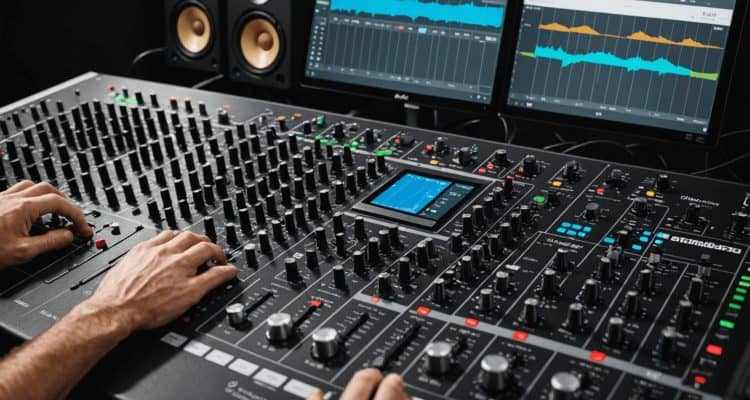
Selecting the appropriate interface for live sound is a crucial decision that can greatly influence the quality of your performance. Whether you’re a solo artist, part of a band, or a sound engineer, recognizing the subtle differences of live audio interfaces ensures your sound remains clear, balanced, and professional. The correct interface enables smooth connections between your instruments, microphones, and sound system, ensuring dependable performance during live events. With numerous options on the market, choosing the right one might feel daunting, but understanding your particular needs and abilities makes the decision easier.
Investing in the correct audio interface not only improves the auditory experience for your audience but also reduces technical issues that can arise during a performance. From portability and connectivity to sound quality and durability, selecting the appropriate interface involves evaluating several critical factors. This guide will help you analyze your requirements, explore key features to consider, and offer actionable tips to make the best selection. With the right tools, your live sound can reach its full potential, impressing listeners and elevating your artistic presentation.
Understanding the Importance of the Right Live Sound Interface
The choice of an audio interface for live situations goes beyond basic compatibility. It directly influences the clarity, depth, and fidelity of your sound. A good interface acts as a bridge, translating your musical or vocal input into a clean, intelligible signal sent to your PA system. Poor-quality interfaces can introduce noise, latency, or loss of detail, detracting from the overall performance.
Moreover, a reliable interface provides stability during lengthy sets, reducing the risk of dropouts or crashes. This stability is crucial for professional musicians and sound technicians who need consistent results night after night. Choosing an appropriate interface also means considering compatibility with your existing gear, ease of use in fast-paced environments, and adaptability to various performance scenarios.
Key Factors to Consider When Choosing an Interface for Live Sound
Connectivity Options and Inputs/Outputs
- Number of Inputs: Determine how many microphones, instruments, or line-level sources you’ll need to connect simultaneously. For solo acts, a two- or four-channel interface may suffice, but larger setups require more I/O options.
- Outputs: Ensure there are enough outputs to connect to your stage monitors, main PA speakers, and recording devices if needed.
- Types of Connectivity: Look for interfaces with a variety of connections such as XLR, TRS, and MIDI to allow flexible setups.
Sound Quality and Preamp Performance
- Preamp Quality: High-quality preamps provide clean gain with minimal noise, which is especially important for vocals and sensitive microphones.
- Bit Depth and Sample Rate: Opt for a device supporting at least 24-bit depth and 44.1kHz or higher to ensure sufficient detail and clarity.
Reliability and Durability
- Build Quality: Live environments demand rugged gear capable of withstanding transport and handling. Metal enclosures and sturdy connectors are preferable.
- Power Options: Consider interfaces with external power supplies or bus-powered units that are stable during performances.
Portability and Size
- Choose compact, lightweight interfaces if you frequently perform at different venues.
- Ensure the device can fit comfortably into your gig bag or rack setup.
Latency and Performance
- Low-latency operation is essential for real-time monitoring and sound delay elimination.
- Check user reviews or specifications for latency benchmarks.
Types of Audio Interfaces for Live Sound
There are mainly two categories: portable and rack-mounted units. Portable interfaces are ideal for solo performers or small bands, as they are lightweight and easy to set up. Rack-mounted interfaces suit larger setups or venues where integration with other sound equipment is required.
Microphone preamp interfaces, USB or Thunderbolt models, and Thunderbolt/FireWire options cater to different demands. Evaluate your setup to determine which type fits your workflow best.
Popular Features That Enhance Live Sound Quality
- Built-in Effects: Some interfaces include simple EQ or compressor features to improve your live tone without needing external gear.
- MIDI Compatibility: Useful for integrating electronic instruments or controlling sound modules on stage.
- Direct Monitoring: Enables real-time audio feedback without latency during performances.
- Software Compatibility: Ensure the interface works smoothly with your preferred DAW or live mixing software.
Practical Tips for Selecting the Best Interface for Your Needs
- Assess your typical setup: How many microphones and instruments do you connect during a show?
- Prioritize ruggedness and reliability, especially if you perform regularly at multiple locations.
- Read reviews and seek advice from other live performers or sound engineers who have hands-on experience with various interfaces.
- Be mindful of your budget but remember that investing in quality gear often saves money in the long run by reducing troubleshooting and replacements.
- Finally, take a look at the best audio interfaces for live performance to see some of the top options tailored for live scenarios.
Summary and Final Thoughts
Choosing the right interface for live sound involves understanding your needs, evaluating key features, and balancing budget with quality. A well-chosen interface offers reliability, superior sound quality, and flexibility, all crucial for creating a memorable performance. The investment pays off when your sound is clear and consistent, engaging your audience and showcasing your talent effectively.
Keep in mind your setup size, portability needs, and special features that might enhance your live sound experience. Don’t rush the decision; thorough research and testing can help you find the ideal match. With the right interface, you will set a sound foundation that elevates every performance. Take the time to make an informed choice today and step confidently into the spotlight with sound that truly resonates.